Trade Winds Estate - Currently On The Worktable
A NEW CHAPTER BEGINS - Trade Winds Estate
A NEW CHAPTER BEGINS - Trade Winds Estate
A NEW CHAPTER BEGINS - Trade Winds Estate

The Journey Begins
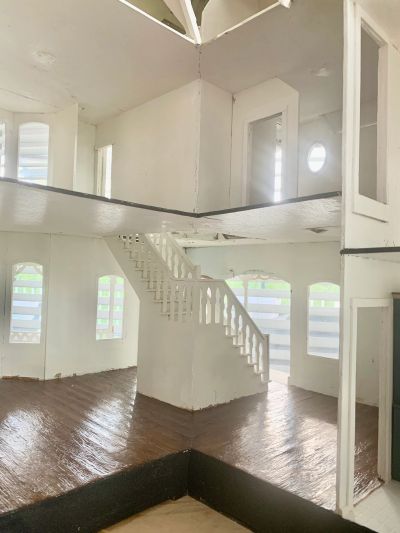
Trade Winds Estate is just beginning its transformation. What was once a tired Victorian dollhouse is slowly becoming an elegant West Indian Colonial family home, inspired by the architecture and tropical beauty of my birthplace, Trinidad. As each room is completed and every new detail is added, I'll be sharing the progress here. I invite you to return often and watch this remarkable house evolve, one thoughtful step at a time. I'm excited to see where this journey leads.
THE TRANSFORMATION IS UNDERWAY
A NEW CHAPTER BEGINS - Trade Winds Estate
A NEW CHAPTER BEGINS - Trade Winds Estate
The Vision - When I look at this Victorian dollhouse, I can already imagine the furniture against white walls, breezy window treatments, tropical greenery spilling from pots on the veranda, and rooms that feel cool despite the Caribbean sunshine outside.
For me, this project is more than simply decorating another dollhouse. It's a small nod to my heritage, a celebration of where I came from, and an opportunity to recreate some of the beauty and charm of the islands that shaped my earliest memories.
Design Philosophy-01
Every Dollhouse Begins with an Idea
As many of you know, I was born and raised in Trinidad, in the southern Caribbean. Although I've lived in Canada for many years, the sights, colours, architecture, and atmosphere of the West Indies have never left me. This next dollhouse will be my small tribute to those roots.
The decorating style is known as West Indian Colonial.
In simple terms, it combines the elegance of British Colonial design with the relaxed, tropical lifestyle of the Caribbean islands. These homes were designed to stay cool in a warm climate, so they often featured large verandas, tall ceilings, wide windows, louvered shutters, and rooms filled with natural light and fresh air.
The interiors were typically decorated with beautiful dark woods such as mahogany, cane and wicker furniture, crisp white linens, tropical plants, and collections of items gathered over generations. The look is elegant without being fussy, comfortable without being casual, and rich in history without feeling formal.
The colour palette is usually soft and soothing. Whites, creams, sand colours, pale blues, sea greens, and warm wood tones create a feeling of calm and tranquility. Add a few palms, ferns, botanical prints, woven baskets, and a ceiling fan lazily turning overhead, and you've captured the essence of the style.

Where Imagination Takes Over...
Trade Winds Estate
Perched on the highest point of the family coffee and sugar cane estate sits Trade Winds Estate, a grand West Indian Colonial residence built in 1882.
The house earned its name honestly. Long before electric fans and modern conveniences, its builders carefully positioned it atop the hillside to capture the prevailing trade winds that swept in from the Caribbean Sea. Tall windows, wide verandas, and airy rooms were designed to welcome every passing breeze, keeping the house cool even during the hottest months of the year.